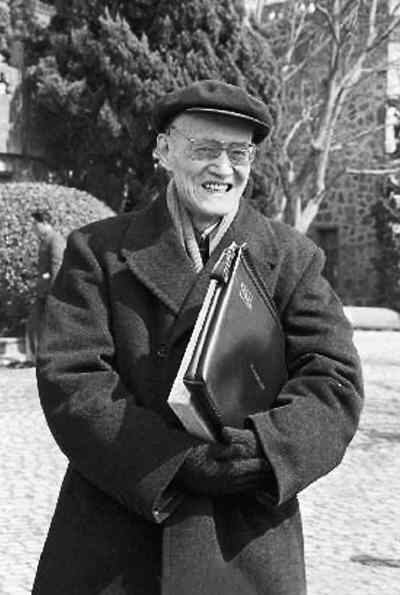
[:zh]大概一年級的時候,看一本書,名字忘了,反正講的是宇宙啊、星星啊、航天啊相關的知識(或者八卦?),與之配套的還有一本講地球的。那時我就是這麼喜歡這種書,經常成套地買。有一天就看到一段講月蝕和日食,說是雖然日食發生的比月蝕還要頻繁一點,很多人一輩子都沒見過日食卻見過月蝕,爲什麼呢,它說因為日食能看到的只是一小片區域,畢竟月球能擋住的小,而地球則是整個把月球都擋住了,另外日食時間短,就更容易受天氣影響。這時候就舉了個例子,說是某年中國某地發生日食,古稀之年的張鈺哲先生趕過來,適逢陰雨天憾而沒能看到。配圖是一位瘦削、長臉的老者,頗有混血風範。其時就對張鈺哲這個人很感興趣,然而那個時代信息閉塞,我一個小城市的小屁孩,沒有網絡,上哪去主動獲取信息呢?但這種好奇就一直在我腦中徘徊不去。另,我當時的眼光反而落在“古稀”一詞上更甚,一是沒什麼文化,覺得很新鮮,二個,是書的另一處講到人的壽命,說活七十歲,其實才兩萬多天,而那已經是“人生七十古來稀”了,我就常常覺得悲哀,因為各種書上常常提到冥王星公轉要二百多年,哈雷彗星也要七十幾年才迴歸一次云云。
而後很多年,都沒有網絡。日子一天天地過,到初一有了網,我又沉迷遊戲(黑歷史就在QQ空間,感興趣可以慢慢翻),然後又英語、又數學、又政治、又數碼地,就淡忘了這些事。
高三的時候,@wdq 看清華校史的書,我也借來看,看著不免上網找些資料,在豆瓣上偶遇一篇講老清華政治運動的文,提到任之恭等人再回大陸,提出要見一些老友,然而他們不知道這些人都由於種種原因不在了,陪同的竺可楨為之震驚。此時不知怎麼就想到了張鈺哲。或許是因為張鈺哲也是清華的校友,而我在書上的某個角落看到了他的名字?總之,借這個契機,我瞭解到張鈺哲的大略生平,他從建國就一直任紫金山天文臺臺長,直到逝世。但資料並不甚翔實。
剛剛在知乎上看見一位南京大學天文學的同學。南京,天文學,不由得想到了張鈺哲,想起前幾日說的要寫點東西,就寫了。寫的時候,在看河汉之星——张钰哲(03),說到他9歲(大清宣統二年)看到哈雷彗星,就勵志做天文,後來在紫金山天文臺(西元1986年)又看到一次。從生卒年上看,他不久就仙去了。人生能見到兩次哈雷彗星,是多麼幸運而幸福的事啊!
張鈺哲當了很多年紫金山天文臺臺長,在業界有很高的名望。有一個月球上的坑以他命名,還有一顆小行星也是。1928年他發現了“中華”小行星,是中國人發現的第一顆小行星。1941年,他拍攝了中國境內第一張日全食照片,去日占區拍的,據說是冒著轟炸。至少粗略看來,他應當是個有趣的人。然而如今的大眾都不大知道他了。網上也沒有很多關於他的資料,僅有少數幾篇革命宣傳口吻的傳記。從來沒看見人們談論過他。作為中國天文學的領路人,這樣的待遇好像並不相稱。现在生活水平提高,越来越多的人買得起相機、望遠鏡、赤道儀,成為天文愛好者,但還是沒看見他們談論到張鈺哲。孔子說,君子疾沒世而名不稱焉,如此看來,不能不說是一種遺憾。
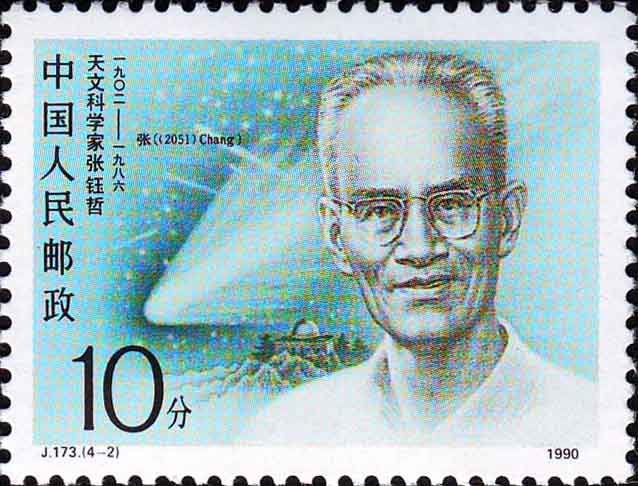
然而以我看來,他至少能說「我度過了美好的一生」,他的人生足夠有趣,足夠波瀾壯闊了。縱觀歷史,應當有很多這樣有趣的人吧。爲什麼我的生活總是似乎索然無味呢?希望我也能成為這麼有趣的人,希望我也能遇見很多這麼有趣的人。
于 2014 年 6 月 30 日
[:en]When I was in grade 1, I was reading a book, whose name I have forgotten, on the universe, stars, astronomy and so. There was a counterpart on earth. I just liked such books so much at that time, that I bought them sets by sets. One day I was reading a passage on the lunar and solar eclipses, which was saying that even though the solar eclipses happen more often that the lunar ones, most people would only have the chance to see lunar eclipses but not solar eclipses throughout their life. Why? Because each solar eclipse is only visible to a small region on the earth since the moon is small compared to the earth, while lunar eclipses are visible to half the earth (the half on the dark side). Moreover, solar eclipses are very short and susceptible to weather changes. Here comes an example on the book, that in some year (around 1970?) there was a solar eclipse in China. Mr. Zhang Yuzhe who was already over 70 then hurried there for it. Unfortunately the eclipse was shadowed by the raining cloud. There was a portrait for Mr. Zhang Yuzhe on the page, who appears to be a thin, long-faced exotic-looking elderly. That aroused my interest for Mr. Zhang, but back then information communication was shabby. I was a little kid in a small town, without the Internet. How was I going to gather the related knowledge? But such curiosity wander in my mind, never disappearing. P.S. I was actually focus more on the “古稀” (over 70 years old) thing, firstly for I was almost illiterate and feeling fresh about this fancy word, secondly for it was emphasized somewhere else addressing life of human in the very book, that 70 years is equal to only about 20000 days, and that is “人生七十古來稀” (people hardly live up to 70 since the old days). I always felt pathetic about this, because books were mentioning that it would take over 200 years for Pluto to trip around the sun, and even for Halley’s comet it would take over 70 years.
There wasn’t Internet until many years later, when I entered the junior high. But I was then addicted to computer games (records of this period are in my Qzone. You can dive into it if your are interested.), and then to English, to mathematics, to politics, to digital devices. And I got oblivious to the astronomy things.
When I was in grade 12, @wdq was reading a book on the history of Tsinghua University. I borrowed the book from him, thus searching for related facts on the Internet. I ran into an article on douban narrating the political movements inside the old (ROC) Tsinghua. An anecdote was mentioned also that when Ren Zhigong came back to the mainland, he asked to meet his old peers. But somehow these people all died, and Zhu Kezhen who was in the company was shocked by this. Interestingly, I suddenly thought about Zhang Yuzhe, probably because he was also an alumni of Tsinghua University, and I saw his name on the book for a moment (I believe). In short, taking this opportunity, I came to know generally about Mr. Zhang Yuzhe’s life: He was the head of the Purple Mountain Observatory since the establishment of PRC until he passed away. But knowledge is still limited.
I just saw a student studying astronomy in Nanjing University. Nanjing, astronomy, these keywords remind me of Mr. Zhang Yuzhe. I said I was going to write something days ago, so I wrote this article. I was watching 河汉之星——张钰哲(03) when I was writing. The video tells us that he saw Halley’s comet when he was 9 (Xuantong 2 (year) of the Qing Dynasty), and was inspired to do research in astronomy. He then again saw the comet in Purple Mountain Observatory, in A.D. 1986. Judging from his biography, he died soon after this. How fortunate would it be to be able to see Halley’s comet twice in one’s life!
Mr. Zhang Yuzhe was the head of Purple Mountain Observatory for many years, of great renown in the academia. One lunar crater is named after him, so is an asteroid. In 1928 he discovered an asteroid and name it “中華” (China), which is the first ever asteroid discovered by a Chinese person. In 1941 he took the very first photo of a solar eclipse inside the territory of China, which was captured by the Empire of Japan. It is said that he took it under the risk of bombing. He is, at least from my rough view, an interesting person. Sadly, the majority today don’t even know him. There are not many data about him on the Internet, except few articles written in a communism revolutionary flavor. I never saw people talking about him. Such degradation does not seem to match him as the exactly pioneer of China’s astronomy. People are getting rich these days, buying more and more cameras, telescopes, equatorial mounts and becoming astronomy fans. But still no one is saying anything about Mr. Zhang Yuzhe, as far as I heard. Confucius said, “君子疾沒世而名不稱焉” (virtuous people are afraid that their names fade away after their deaths). Following this way of thinking, the story of Mr. Zhang could not feel more pitiful.
But from my point of view, he can say that “I’ve live a wonderful life” at least. His life is fascinating and magnificent enough. There shall be lots of such interesting people throughout the history. How come my life always seem dull and boring? How I wish I could be such an interesting person! How I wish I could meet such interesting persons in my life!
June, 30th, 2014
[:ru]大概一年級的時候,看一本書,名字忘了,反正講的是宇宙啊、星星啊、航天啊相關的知識(或者八卦?),與之配套的還有一本講地球的。那時我就是這麼喜歡這種書,經常成套地買。有一天就看到一段講月蝕和日食,說是雖然日食發生的比月蝕還要頻繁一點,很多人一輩子都沒見過日食卻見過月蝕,爲什麼呢,它說因為日食能看到的只是一小片區域,畢竟月球能擋住的小,而地球則是整個把月球都擋住了,另外日食時間短,就更容易受天氣影響。這時候就舉了個例子,說是某年中國某地發生日食,古稀之年的張鈺哲先生趕過來,適逢陰雨天憾而沒能看到。配圖是一位瘦削、長臉的老者,頗有混血風範。其時就對張鈺哲這個人很感興趣,然而那個時代信息閉塞,我一個小城市的小屁孩,沒有網絡,上哪去主動獲取信息呢?但這種好奇就一直在我腦中徘徊不去。另,我當時的眼光反而落在“古稀”一詞上更甚,一是沒什麼文化,覺得很新鮮,二個,是書的另一處講到人的壽命,說活七十歲,其實才兩萬多天,而那已經是“人生七十古來稀”了,我就常常覺得悲哀,因為各種書上常常提到冥王星公轉要二百多年,哈雷彗星也要七十幾年才迴歸一次云云。
而後很多年,都沒有網絡。日子一天天地過,到初一有了網,我又沉迷遊戲(黑歷史就在QQ空間,感興趣可以慢慢翻),然後又英語、又數學、又政治、又數碼地,就淡忘了這些事。
高三的時候,@wdq 看清華校史的書,我也借來看,看著不免上網找些資料,在豆瓣上偶遇一篇講老清華政治運動的文,提到任之恭等人再回大陸,提出要見一些老友,然而他們不知道這些人都由於種種原因不在了,陪同的竺可楨為之震驚。此時不知怎麼就想到了張鈺哲。或許是因為張鈺哲也是清華的校友,而我在書上的某個角落看到了他的名字?總之,借這個契機,我瞭解到張鈺哲的大略生平,他從建國就一直任紫金山天文臺台長,直到逝世。但資料並不甚翔實。
剛剛在知乎上看見一位南京大學天文學的同學。南京,天文學,不由得想到了張鈺哲,想起前幾日說的要寫點東西,就寫了。寫的時候,在看http://v.youku.com/v_show/id_XNTI0MTQ4MzY=.html?f=2629679,說到他9歲(大清宣統二年)看到哈雷彗星,就勵志做天文,後來在紫金山天文臺(西元1986年)又看到一次。從生卒年上看,他不久就仙去了。人生能見到兩次哈雷彗星,是多麼幸運而幸福的事啊!
張鈺哲當了很多年紫金山天文臺台長,在業界有很高的名望。有一個月球上的坑以他命名,還有一顆小行星也是。1928年他發現了“中華”小行星,是中國人發現的第一顆小行星。1941年,他拍攝了中國境內第一張日全食照片,去日占區拍的,據說是冒著轟炸。至少粗略看來,他應當是個有趣的人。然而如今的大眾都不大知道他了。網上也沒有很多關於他的資料,僅有少數幾篇革命宣傳口吻的傳記。從來沒看見人們談論過他。作為中國天文學的領路人,這樣的待遇好像並不相稱。现在生活水平提高,越来越多的人買得起相機、望遠鏡、赤道儀,成為天文愛好者,但還是沒看見他們談論到張鈺哲。孔子說,君子疾沒世而名不稱焉,如此看來,不能不說是一種遺憾。
然而以我看來,他至少能說「我度過了美好的一生」,他的人生足夠有趣,足夠波瀾壯闊了。縱觀歷史,應當有很多這樣有趣的人吧。爲什麼我的生活總是似乎索然無味呢?希望我也能成為這麼有趣的人,希望我也能遇見很多這麼有趣的人。
于 2014 年 6 月 30 日
[:]

Salam kenal min, informasi yang di berikan bermanfaat
sekali. Makasih ya.
Wohh just what I was looking for, appreciate it for putting up.
You are a thoughtful man.
测试
你什么时候写新的东西?
等我有点时间。现在只有存货了,而且还不多。